How to Read a Window Energy Label: U-Factor, SHGC, and NFRC Ratings Explained
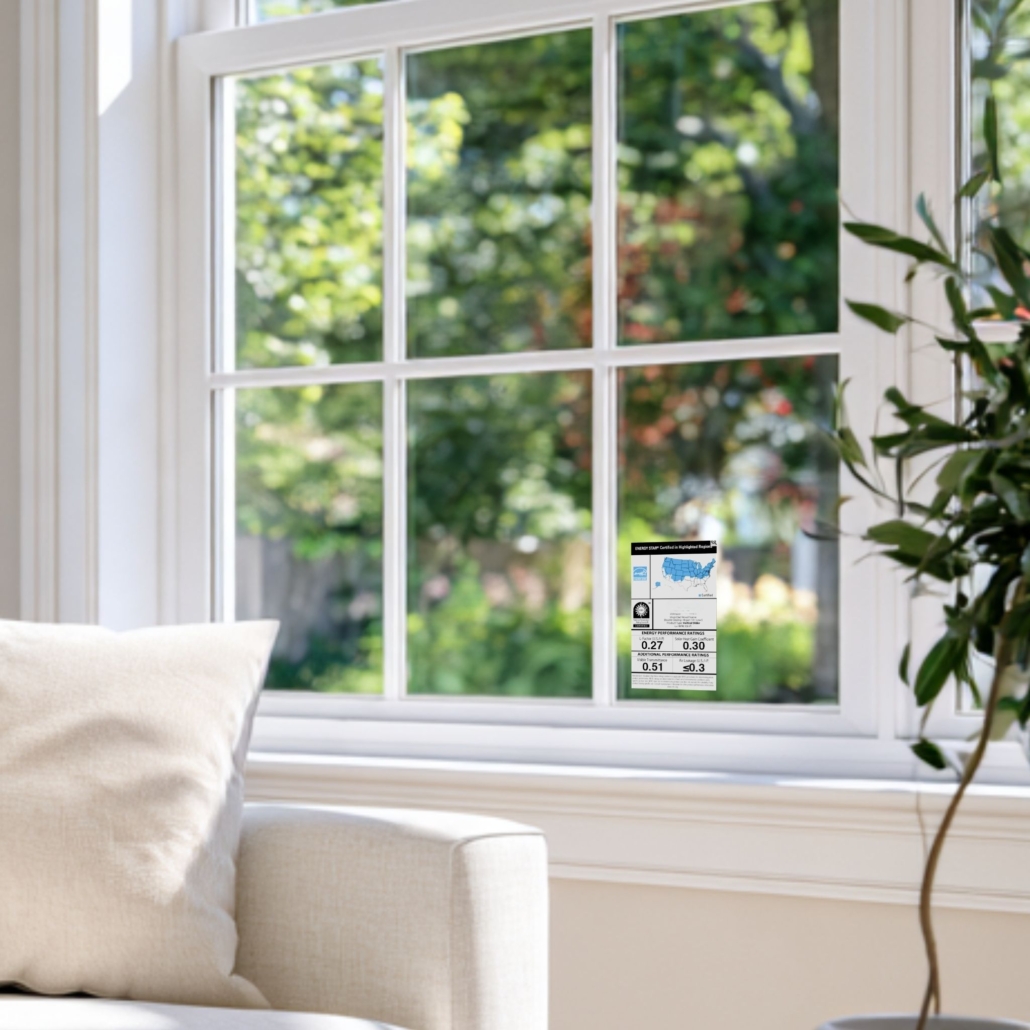
Shopping for new windows should not feel like studying for a pop quiz in building science, but one look at a window energy label and suddenly you’re staring at terms like U-Factor, SHGC, VT, Air Leakage, and NFRC like they’re clues in a very specific escape room. If you’re a homeowner in Cedar Rapids, Iowa, trying to compare replacement windows, improve energy efficiency, and start saving money on energy bills, understanding that little label can make a big difference. The good news? You do not need an engineering degree. You just need a plain-English guide, a few local tips, and maybe a cup of coffee strong enough to survive an Iowa winter.
Table of Contents
- What Is a Window Energy Label and Why Does It Matter for Energy Efficiency?
- What Is the NFRC Rating on Replacement Windows?
- What Is U-Factor and How Does It Affect Saving Money on Energy Bills?
- What Is SHGC and Why Should Cedar Rapids Homeowners Care?
- What Other Window Energy Label Ratings Should You Read?
- How Do Window Energy Ratings Matter in Cedar Rapids, Iowa?
- How Do You Compare Replacement Windows Near You?
- Triple Pane Windows Benefits for Cedar Rapids Homes
- Made in the USA Windows: Why That Matters Locally
- What Are Signs You Need New Windows in Cedar Rapids, Iowa?
- What Makes Window Depot of Eastern Iowa in Cedar Rapids, Iowa Better Than the Rest?
- FAQ: Window Energy Labels and Replacement Windows in Cedar Rapids, Iowa
- Ready for Energy-Efficient Replacement Windows in Cedar Rapids?
What Is a Window Energy Label and Why Does It Matter for Energy Efficiency?
A window energy label is the sticker placed on new windows that tells you how the product performs. Think of it like the nutrition label on a cereal box, except instead of sugar and fiber, it tells you whether your living room is going to feel cozy in January or like you accidentally moved into an ice-fishing shack.
The label is especially important when you are shopping for replacement windows in Cedar Rapids, Iowa, because local weather does not exactly play nice year-round. We get cold winters, humid summers, wind, snow, rain, and approximately 23 different versions of “Why is it doing that outside?” So, energy efficiency is not just a fancy feature. It affects comfort, utility costs, condensation, drafts, and how hard your HVAC system has to work.
Most window energy labels include ratings certified by the National Fenestration Rating Council, or NFRC. These ratings help homeowners compare products fairly. Without them, you would mostly be left comparing sales brochures, and let’s be honest, every brochure says the product is “premium,” “advanced,” and “designed for comfort.” Helpful? Sort of. Specific? Not enough.
According to the U.S. Department of Energy, heat gain and heat loss through windows are responsible for 25% to 30% of residential heating and cooling energy use. That is a big slice of the energy pie, and not the fun kind with whipped cream.
When you know how to read the energy label, you can make apples-to-apples comparisons between window styles, glass packages, coatings, and frame types. Even better, you can ask smarter questions when looking for local window replacement near you instead of nodding politely while secretly wondering if SHGC is a government agency.
Quick translation: window energy labels help you choose products that make your home more comfortable, improve energy efficiency, and support saving money on energy bills over time.
What Is the NFRC Rating on Replacement Windows?
The NFRC rating is one of the most important things you’ll see on a window label. NFRC stands for National Fenestration Rating Council, an independent organization that tests and certifies window, door, and skylight performance. In simple terms, the NFRC label helps you compare replacement windows based on real performance data instead of marketing fluff.
If ENERGY STAR is the “this product meets efficiency standards” badge, NFRC is the detailed report card. It breaks down how well a window insulates, blocks solar heat, allows visible light, resists air leakage, and sometimes manages condensation resistance.

For Cedar Rapids homeowners, this matters because our climate asks a lot from a window. You want insulation during cold months, solar control during warm months, protection against drafts, and long-term durability. A pretty window is nice, but a pretty window that performs? That is the one you want to invite into your home for the next couple of decades.
How Is the NFRC Label Different From an ENERGY STAR Label?
ENERGY STAR tells you whether a product meets energy performance guidelines for your region. The NFRC label gives you the actual numbers behind that performance. Both are useful, but they are not the same thing.
Here is an easy way to think about it:
- ENERGY STAR: “Yes, this window is efficient enough for your region.”
- NFRC label: “Here are the exact performance ratings so you can compare it to another window.”
When comparing windows near you, look for both. ENERGY STAR gives confidence. NFRC gives clarity.
What Is U-Factor and How Does It Affect Saving Money on Energy Bills?
U-Factor measures how well a window keeps heat from escaping. More technically, it measures the rate of heat transfer through the window. But unless you enjoy casual thermodynamics over breakfast, just remember this: lower U-Factor equals better insulation.
In Cedar Rapids, where winter can show up like an uninvited guest and stay too long, U-Factor is a big deal. A window with a lower U-Factor helps keep heated indoor air inside your home instead of letting it sneak out through the glass and frame. That can mean fewer drafts, more even room temperatures, and better energy efficiency during heating season.
What Is a Good U-Factor for Replacement Windows in Cedar Rapids?
For colder climates like Iowa, homeowners typically want replacement windows with a lower U-Factor. Many energy-efficient windows fall somewhere around 0.30 or lower, depending on product type, glass package, and ENERGY STAR criteria. In general, the lower the number, the better the insulation.
That said, do not choose a window based on U-Factor alone. A very low U-Factor is helpful, but you also need to consider SHGC, air leakage, installation quality, and how the window fits your home’s orientation. South-facing rooms, shaded areas, older homes, and newer builds can all have different needs.
Local tip: If your Cedar Rapids home has chilly rooms, drafty corners, or windows that feel cold to the touch in January, U-Factor should be near the top of your comparison list.
What Is SHGC and Why Should Cedar Rapids Homeowners Care?
SHGC stands for Solar Heat Gain Coefficient. Yes, it sounds like something a scientist would say while adjusting safety goggles. But it is actually pretty simple. SHGC measures how much solar heat comes through a window. The lower the SHGC, the less solar heat the window lets in.
In the summer, a lower SHGC can help reduce unwanted heat gain, especially on sunny sides of the house. That can help your air conditioner work less aggressively and support saving money on energy bills. In the winter, however, some solar heat can actually be helpful, especially in south-facing rooms where sunshine can naturally warm your home.
Is a Lower SHGC Always Better for Energy Efficiency?
Not always. This is where window shopping gets a little more nuanced than “pick the lowest number and go home.” In Cedar Rapids, a balanced SHGC can be useful because we have both heating and cooling seasons. You might want excellent insulation from a low U-Factor while still considering how much winter sun you want to capture.
For example, if your living room faces west and turns into a toaster oven in July, a lower SHGC can be your best friend. If a shaded north-facing room is already dim and chilly, SHGC may matter less than U-Factor and visible transmittance.
Plain-English version: U-Factor is about keeping heat from moving through the window. SHGC is about how much sun-powered heat gets in.
What Other Window Energy Label Ratings Should You Read?
U-Factor and SHGC are usually the stars of the show, but the supporting cast matters too. A window energy label may also include Visible Transmittance, Air Leakage, and Condensation Resistance.
What Is Visible Transmittance on a Window Energy Label?
Visible Transmittance, often shortened to VT, measures how much visible light comes through the glass. Higher VT means more natural light. Lower VT means less natural light.
If you love bright spaces, houseplants, and pretending your kitchen is in a magazine, VT matters. However, some coatings that improve energy efficiency may slightly reduce visible light. The goal is to find the right balance between comfort, performance, and daylight.
What Is Air Leakage and Why Does It Matter Near You?
Air Leakage measures how much air passes through the window assembly. Lower numbers are better. In a windy place like eastern Iowa, this rating can affect comfort more than people realize.
Drafts are not just annoying; they make your heating and cooling system work harder. If you have ever sat near an old window in February and felt like it was quietly exhaling the Arctic onto your ankles, you already understand air leakage.
What Is Condensation Resistance?
Condensation Resistance measures how well a window resists moisture forming on the interior surface. Higher numbers are generally better. This rating is not always included, but it can be helpful if your current windows fog up, sweat, or leave puddles on the sill.
Condensation can be affected by indoor humidity, ventilation, outdoor temperatures, and window performance. So while a better window can help, it is also good to keep indoor humidity under control, especially during Iowa winters when homes are closed up tight.
How Do Window Energy Ratings Matter in Cedar Rapids, Iowa?
Cedar Rapids homeowners need windows that can handle a little bit of everything. We are talking freezing winds, humid summers, spring storms, temperature swings, and that one room in the house that never seems to match the thermostat. You know the one.
Because of this, energy ratings should be viewed through a local lens. National recommendations are helpful, but your home’s performance depends on your climate, exposure, insulation, installation quality, and even neighborhood conditions. A home in a wide-open area near the edge of town may deal with more wind exposure than a tree-lined property in an established neighborhood.
Why Energy Efficiency Matters for Local Window Replacement
Energy efficiency is not only about utility bills, although that is a big reason people care. It is also about comfort. Better-performing replacement windows can help reduce cold glass surfaces, drafts, hot spots, fading from harsh sunlight, and HVAC strain.
In Cedar Rapids, that can mean enjoying your living room in January without three blankets, slippers, and the emotional support of a space heater. It can also mean less heat pouring through the glass during sticky July afternoons.
Which Window Ratings Are Most Important in Iowa?
For many Cedar Rapids homes, the most important ratings are:
- U-Factor: Lower is better for insulation and winter comfort.
- SHGC: Choose based on sun exposure and cooling needs.
- Air Leakage: Lower is better for draft reduction.
- VT: Higher means more natural light.
- Condensation Resistance: Helpful for homes that struggle with window condensation.
The right balance depends on your home. That is why working with a local window replacement team near you can be so helpful. They understand the climate, the neighborhoods, and the difference between “normal Iowa breeze” and “why is my curtain moving if the window is closed?”
How Do You Compare Replacement Windows Near You?
When comparing replacement windows, start with the energy label, but do not stop there. A great rating on paper is important, but installation quality, frame construction, glass package, warranty, and long-term service matter too.
Here is a simple comparison checklist for homeowners in Cedar Rapids:
- Compare NFRC ratings instead of relying only on product descriptions.
- Look for a low U-Factor for better insulation.
- Choose SHGC based on your home’s sun exposure.
- Ask about air leakage ratings.
- Consider double pane vs. triple pane windows.
- Review frame materials and durability.
- Ask whether the products are Made in the USA.
- Choose a local company that understands Cedar Rapids weather.
- Make sure installation is handled by trained professionals.
- Ask about warranty coverage and service after installation.
Should You Buy the Most Efficient Window Available?
Not always. The “best” window is not automatically the one with the lowest U-Factor, the lowest SHGC, or the biggest price tag. The best window is the one that fits your home, goals, budget, and climate.
If you are focused on saving money on energy bills, comfort, and long-term value, you want a smart balance. Sometimes that means upgrading the glass package. Sometimes it means prioritizing installation. Sometimes it means replacing just the worst-performing units first, especially if your budget is doing that thing where it hides in the corner and refuses to make eye contact.
Triple Pane Windows Benefits for Cedar Rapids Homes
Triple pane windows can be a strong option for Cedar Rapids homeowners who want improved insulation, comfort, and noise reduction. As the name suggests, they use three panes of glass instead of two, typically with insulating gas fills and advanced coatings between the panes.
In a climate like eastern Iowa, that extra pane can help reduce heat transfer. During winter, it helps keep warmth inside. During summer, it helps slow outdoor heat from entering. The result can be a more comfortable home and improved energy efficiency, especially in rooms with large window openings or heavy weather exposure.
Are Triple Pane Windows Worth It in Cedar Rapids, Iowa?
For many homes, yes. Triple pane windows may be especially worthwhile if:
- Your current windows are drafty or cold to the touch.
- You have rooms that are hard to heat or cool.
- Your home is near traffic, schools, trains, or other noise sources.
- You want better year-round comfort.
- You plan to stay in your home long enough to enjoy the benefits.
They are not always necessary for every room or every homeowner, but they are definitely worth discussing during a local window replacement consultation.
How Do Triple Pane Windows Help With Saving Money on Energy Bills?
Triple pane designs can help lower heat transfer, which may reduce the workload on your HVAC system. While actual energy savings vary by home, window condition, insulation, installation, and lifestyle, the performance upgrade can support saving money on energy bills over time.
Also, let’s not ignore comfort. A more comfortable home has value even before the utility bill arrives. If you can sit by the window in February without wearing your outdoor coat indoors, that is a lifestyle improvement.
Made in the USA Windows: Why That Matters Locally
Made in the USA windows matter because quality, accountability, supply chain reliability, and local support all matter. When you are investing in replacement windows for your Cedar Rapids home, you want products built for performance and backed by people who stand behind them.
There is also something reassuring about choosing products made closer to home. It can mean better availability, stronger oversight, and windows designed with American homes and climates in mind. For homeowners in eastern Iowa, that is not just a nice detail; it can affect project timelines and long-term satisfaction.
Why Should Cedar Rapids Homeowners Ask Where Windows Are Made?
You should ask because “new window” does not automatically mean “high-quality window.” Product origin, manufacturing standards, glass technology, frame construction, and warranty support all play a role in performance.
Choosing Made in the USA windows can help homeowners feel confident they are investing in products that fit local expectations for durability, energy efficiency, and support. Plus, it never hurts to know that the product going into your home was not designed for a climate completely unlike Iowa’s.
What Are Signs You Need New Windows in Cedar Rapids, Iowa?
Sometimes the window label matters because you already know your old windows are done. Other times, your windows quietly decline over time like a houseplant you forgot to water. Either way, there are signs homeowners in Cedar Rapids should watch for.
What Are the Most Common Signs You Need Replacement Windows?
- Drafts: You feel air movement even when the window is closed.
- High energy bills: Your heating or cooling costs keep climbing without an obvious reason.
- Condensation between panes: This can mean the glass seal has failed.
- Hard operation: Windows stick, jam, or refuse to stay open.
- Rot or damage: Frames are soft, warped, cracked, or deteriorating.
- Outside noise: Traffic, wind, or neighborhood sounds seem louder than they should.
- Faded furnishings: Too much UV exposure can fade flooring, furniture, and curtains.
- Cold glass: Rooms feel chilly near the window, even when the heat is on.
If more than one of these sounds familiar, it may be time to compare energy-efficient replacement windows near you. No judgment if you have been “meaning to get around to it” for five years. Homes are basically never-ending to-do lists with roofs.
What Makes Window Depot of Eastern Iowa in Cedar Rapids, Iowa Better Than the Rest?
Window Depot of Eastern Iowa offers local window replacement support with the backing of the Window Depot USA network. That combination matters. You get a team that understands Cedar Rapids homes and eastern Iowa weather, plus access to high-performing products and value-driven options through a trusted national brand.
When you work with Window Depot USA Cedar Rapids through Window Depot of Eastern Iowa, you are not just picking a product from a website and hoping for the best. You are getting guidance on U-Factor, SHGC, NFRC ratings, glass packages, style options, and installation details that make sense for your actual home.
How Does Local Experience Help With Energy Efficiency?
Local experience helps because window performance is not one-size-fits-all. A solution that works beautifully in a mild coastal climate may not be ideal for Cedar Rapids. Our homes deal with winter lows, summer humidity, strong winds, and seasonal swings that can test both product and installation.
A local team can help you choose the right window based on:
- Your home’s age and construction.
- Which rooms feel drafty or overheated.
- Sun exposure on each side of the home.
- Your goals for saving money on energy bills.
- Your preferred style, color, and maintenance level.
- Your budget and timeline.
That kind of real-world guidance is hard to get from just staring at a label in a showroom. Labels are useful. People who know how to interpret them for your home are even better.
FAQ: Window Energy Labels and Replacement Windows in Cedar Rapids, Iowa
How often should I replace windows in Cedar Rapids, Iowa?
A: Many windows last 15 to 30 years depending on material, installation, maintenance, and weather exposure. In Cedar Rapids, harsh winters and humid summers can speed up wear. If your windows are drafty, hard to operate, fogging between panes, or causing comfort problems, it may be time to consider replacement.
What is the best U-Factor for energy efficiency in Iowa?
A: A lower U-Factor is better because it means the window resists heat transfer more effectively. Many homeowners in colder climates look for windows around 0.30 or lower, but the best choice depends on your home, window style, and overall energy goals.
Is SHGC more important in summer or winter?
A: SHGC matters in both seasons. In summer, a lower SHGC can reduce unwanted solar heat. In winter, some solar gain can help warm sunny rooms. In Cedar Rapids, the right SHGC depends on which direction the window faces and how much sun the room receives.
Are triple pane windows better than double pane windows near you?
A: Triple pane windows often provide better insulation, comfort, and noise reduction than double pane windows. They can be a great fit for Cedar Rapids homes, especially in drafty rooms, homes near busy roads, or areas with heavy weather exposure.
Do energy-efficient replacement windows really help with saving money on energy bills?
A: Yes, energy-efficient replacement windows can help reduce heat loss, limit unwanted heat gain, and lower HVAC strain. Actual savings vary by home, but improved window performance can support lower energy use and better comfort.
What does NFRC mean on a window label?
A: NFRC stands for National Fenestration Rating Council. It is an independent organization that rates windows for performance factors such as U-Factor, SHGC, visible transmittance, air leakage, and condensation resistance.
Should I choose replacement windows based only on ENERGY STAR?
A: ENERGY STAR is helpful, but you should also review the NFRC label. ENERGY STAR tells you the window meets efficiency criteria, while NFRC ratings let you compare exact performance numbers between products.
Where can I find local window replacement in Cedar Rapids, Iowa?
A: Window Depot of Eastern Iowa serves homeowners in Cedar Rapids and the surrounding region with replacement windows, energy-efficient options, and local guidance based on Iowa’s climate.
Ready for Energy-Efficient Replacement Windows in Cedar Rapids?
Reading a window energy label may not become your new favorite hobby, and honestly, fair. But once you understand U-Factor, SHGC, NFRC ratings, air leakage, and visible transmittance, shopping for replacement windows becomes much easier. You can compare products confidently, ask better questions, and choose windows that support comfort, energy efficiency, and saving money on energy bills.
For Cedar Rapids homeowners, the right choice comes down to more than one number. You need a window designed for Iowa weather, installed correctly, backed by reliable support, and matched to your home’s needs. That is where Window Depot of Eastern Iowa can help.
Contact Window Depot of Eastern Iowa today for your free quote.